
What "Wind-Down" Actually Looks Like After School
After a full day of classes, rules, and sitting still, kids don't just switch off. They need a real transition, something that helps them shake off the day before homework, dinner, and bed. Here's what a genuinely good after-school wind-down can look like, and how to make it work even on the busiest evenings.
Table of Contents
- The First 30 Minutes Matter the Most
- Fun at Home: Creative Activities That Actually Calm Kids Down
- Evening Garden Fun: Fresh Air Without Going Far
- Homework Time (That Doesn't Turn Into a Battle)
- Visiting a Trampoline Park or Local Attraction
1. The First 30 Minutes Matter the Most
The moment kids walk through the door sets the tone for the entire evening. Resist the urge to ask about homework immediately. Let them settle down. A snack, a few minutes of quiet, and no demands right away can make the rest of the evening dramatically smoother.
Think of it like a decompression zone. Kids process their day in their own way, sometimes loudly and sometimes quietly. Giving them that space is the first real step in a wind-down that actually works.
2. Fun at Home: Creative Activities That Actually Calm Kids Down
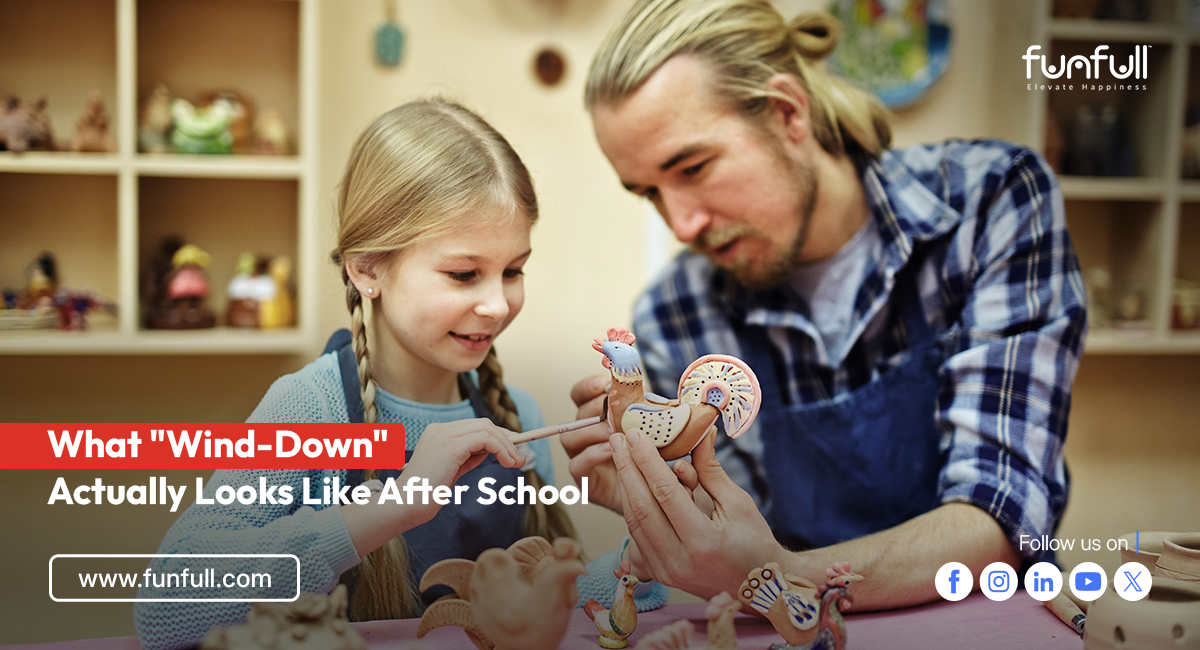
Once they've had a moment to reset, this is the perfect time for some low-pressure creative fun. Drawing, painting, clay modeling, or even simple craft projects work beautifully here. These aren't just ways to pass time; instead, they help calm the kids who've been in structured environments all day.
Set up a small creativity corner with supplies they can access freely. No instructions or a final product required. You'll be surprised how long kids stay quietly engaged when they're given the choice and the space to create on their own terms.
This kind of unstructured, imaginative play is one of the most underrated things to do on a daily basis.
3. Evening Garden Fun: Fresh Air Without Going Far
If you have any outdoor space: a backyard, a balcony, or even a small patch of garden, use it. Even 20 minutes outside can shift a child's energy completely. They can water plants, draw with chalk, kick a ball around, or simply run.
For working parents who get home just before or around dinner, this is a great way to reconnect without effort. You don't need to plan anything. Just step outside together. The combination of movement and fresh air does more for a child's mood and sleep than most indoor activities ever could.
4. Homework Time (That Doesn't Turn Into a Battle)
Homework works best after kids have had time to decompress, not the second they walk in. A good window is usually 45 minutes to an hour after school. They've had a snack, some free time, and a little movement. Now they're actually ready to focus.
Keep the environment consistent. Same spot, same general time, and minimal distractions. Working parents can set up a simple routine that kids can start independently. You can quickly check in on them when available. It doesn't have to be perfect; it just has to be predictable.
5. Visiting a Trampoline Park or Local Attraction
On days when home just isn't cutting it, getting out is the right call. Searching for fun places near you or fun activities to do near you can open up more options than you'd expect. Look for trampoline parks, nature trails, indoor play zones, art studios, and more.
These work well mid-week as a reset, on lighter homework evenings, or as weekend fun outings. Physical activity at a trampoline park, in particular, burns off excess restless energy, making bedtime easier than usual.
.png)
Key Takeaways
- The first 30 minutes after school should be pressure-free; let the kids decompress before anything else.
- Creative activities like drawing and painting are genuinely calming and great for daily home routines.
- Fresh air and outdoor movement (even briefly) make a measurable difference in mood and sleep.
- Homework lands better after downtime, not immediately after school.
- Local attractions like trampoline parks are excellent energy outlets when needed.
FAQs
1. How long should an after-school wind-down actually be?
It can be 30 to 60 minutes before any homework begins. The exact length depends on your child's age and energy level, but consistency matters more than duration.
2. What are some easy creative activities kids can do at home after school?
Drawing, painting, knitting, or simple crafts work well. The key is keeping it open-ended with no set outcome. Kids stay engaged longer when they're in charge of what they make.
3. How do working parents manage a wind-down routine when they're not home right after school?
Set up a simple after-school routine card your child can follow independently: snack, free play, and then homework. A caregiver or older sibling can hold the structure until you're home. Consistency from the child's end is what matters most.
4. Where can I find fun activities and local attractions for kids near me?
You can get started with Funfull. It helps you discover fun places near you, from trampoline parks and local attractions to seasonal fun activities, with exclusive member deals.