
The Hidden Beauty of Coastal Photography (And How to Capture It)
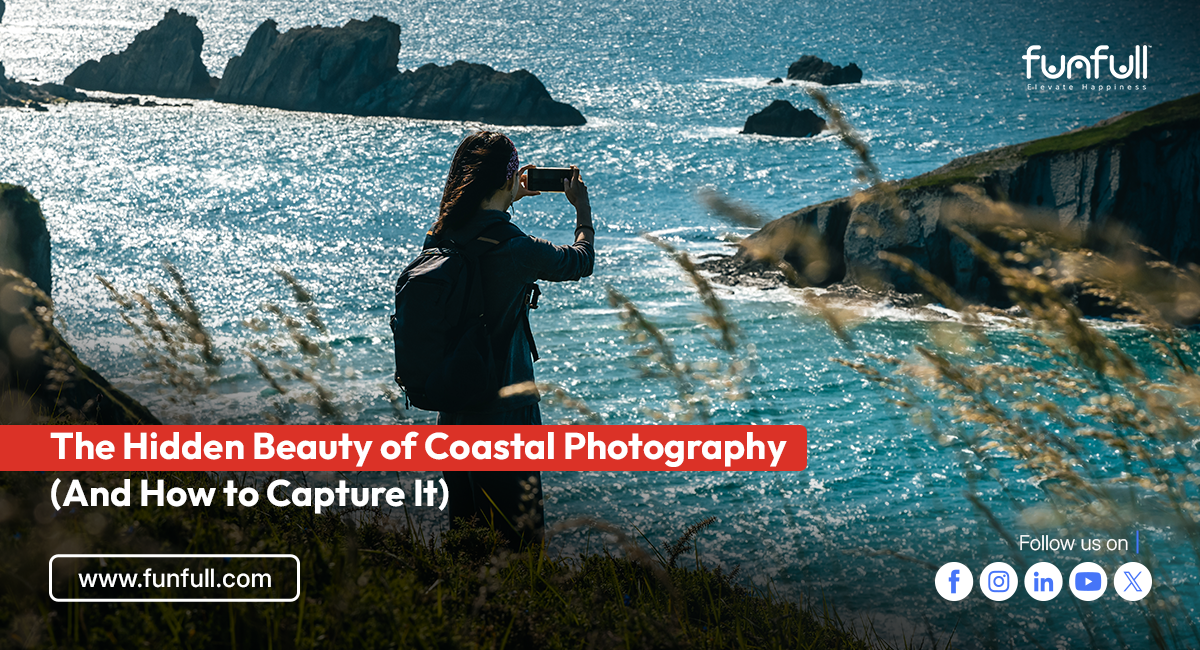
Coastal landscapes are breathtaking: those golden sunsets over the water, waves crashing against rocks, and the way light dances across sand. But here's the thing: most of us scroll past these moments without truly seeing them.
Learning coastal photography isn't just about taking better pictures; it's about discovering beauty you've been missing all along. Plus, it's one of the most fun things to do, combining learning, creativity, and quality time. And for kids, it's something that actually holds their attention and gets them excited about the outdoors.
Table of Contents
- What Makes Coastal Landscapes Special?
- Mastering Light: The Golden Hour Secret
- Composition Tricks That Transform Ordinary Shots
- Bringing Your Family Into the Learning
- Practice, Experiment, Create
- Key Takeaways
- FAQs
1. What Makes Coastal Landscapes Special?
Coastal landscapes captivate us because they're constantly changing. The same beach looks completely different at sunrise, noon, or sunset. Waves are never identical. The interplay between water, sky, and land creates endless visual possibilities. But most people don't notice these subtleties because they're not looking for them.
Photography is one of those family activities that teaches you to really see. You start noticing how shadows fall, where colors shift, and how texture changes with the light. Suddenly, that ordinary beach becomes a gallery of hidden beauty waiting to be captured.
2. Mastering Light: The Golden Hour Secret
Light is everything in photography. The best coastal photos aren't taken at midday; they're captured during golden hour, roughly an hour after sunrise or before sunset. The light is softer and warmer, creating dramatic shadows across the landscape.
But golden hour is more than just pretty. It teaches you fundamental photography skills: understanding exposure, managing contrast, and using shadows creatively. When you learn to chase and work with golden hour light, every other type of lighting becomes easier to handle.
Start by photographing the same coastal spot at different times of the day and notice how the mood shifts. That's your education right there, real, visual, and unforgettable.
3. Composition Tricks That Transform Ordinary Shots
Composition is the framework that makes a photo compelling. Here are the game-changers:
- Rule of Thirds: Imagine your frame divided into a 3x3 grid. Place interesting elements along those lines, not just dead center. A horizon line on the lower third, a rock formation on the left third, and suddenly, the shot has more energy.
- Leading Lines: Coastlines, jetties, and paths naturally guide the viewer's eye. Use them intentionally to lead people into your photo.
- Foreground Interest: Don't just shoot the ocean and sky. Include rocks, shells, or driftwood in the foreground. It adds depth and context.
- Frame Within a Frame: Use natural elements (tree branches, cliff overhangs, or cave openings) to frame your main subject. It creates visual depth that makes people stop scrolling.
These aren't rules, they're tools. Master them, then break them intentionally for creative impact.
4. Bringing Your Family Into the Learning
Here's what makes coastal photography perfect for family activities: everyone participates in different ways.
- Kids can scout locations, collect interesting foreground elements, or simply be part of the adventure.
- Teens can learn the technical side and experiment with their phones or cameras.
- Parents get to slow down and really experience the coast instead of rushing through it.
It transforms a beach day into an immersive creative adventure, while educating and bonding simultaneously. Kids remember days like these. They remember the specific light, the discoveries you made together, and the moment they learned to see more clearly.
5. Practice, Experiment, Create
The only way to truly master coastal photography is to shoot a lot. Take the same shot from different angles. Try different times of day. Experiment with your phone camera settings if you don't have a dedicated camera.
Celebrate the failures. Blurry photos teach you about shutter speed, whereas overexposed shots teach you about exposure compensation. Each mistake is data that makes you better.
.png)
Key Takeaways
- Golden hour creates magic that midday sun simply can't match when you understand light.
- Composition transforms ordinary moments by using the rule of thirds, leading lines, and layering to add visual depth.
- Coastal landscape photography reveals hidden details and teaches you to see beauty you've been walking past.
- Everyone learns at their own pace while exploring together.
- Shooting often, experimenting freely, and letting mistakes guide your growth beats chasing perfection.
FAQs
1. Do I need an expensive camera to learn coastal photography?
Not at all. Modern smartphones have incredible cameras. Start with what you have, learn the fundamentals, and upgrade your gear later if you want. The camera matters less than understanding light and composition.
2. What's the best time of the year for coastal photography?
Coastal landscapes are beautiful year-round, and each season has its own charm. Winter offers moody skies and dramatic waves, while summer provides calm waters and longer golden hours.
3. How do I help kids stay interested during a photography outing?
Give them a specific mission and make it a game: find three different textures, capture the best wave, or photograph something that moves. When kids have a goal, they engage deeply rather than get bored.
4. How can I practice coastal photography if I don't live near the coast?
Funfull has a library of beginner-friendly photography videos that you can watch from anywhere. Start with the fundamentals at home, then apply them during beach trips or vacations. You can also learn woodworking, cooking, painting, and more; all you need is the Funfull Pass. It also unlocks exclusive deals at year-round local and national fun experiences, movie tickets, and seasonal adventures.