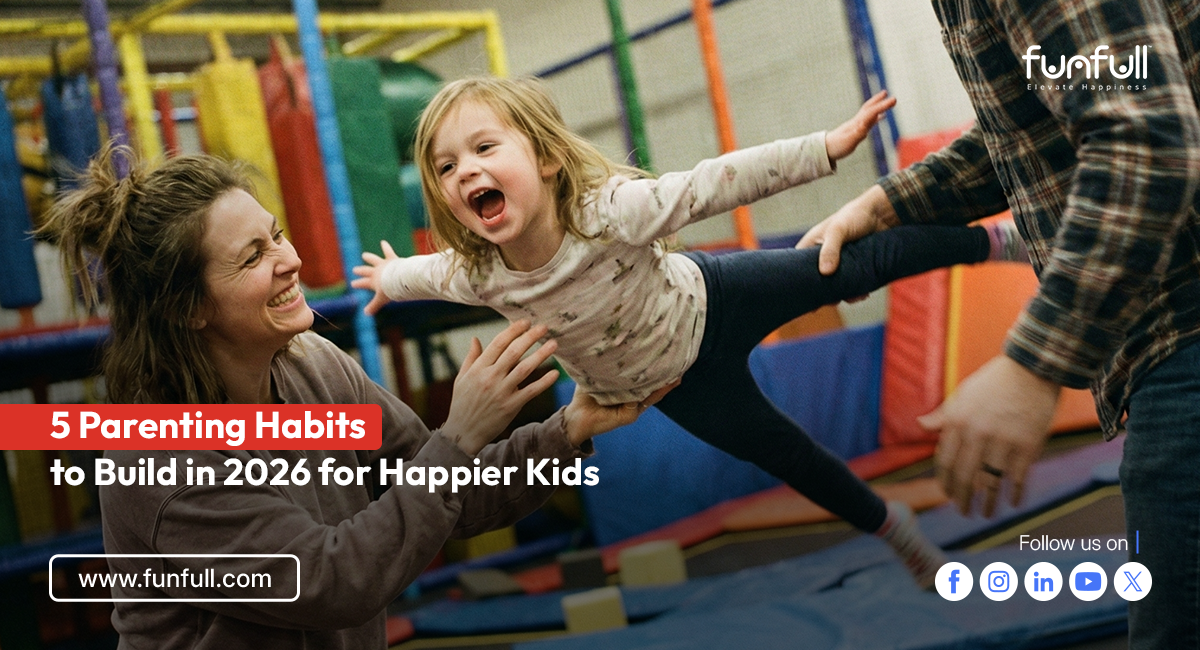
5 Parenting Habits to Build in 2026 for Happier Kids
TL;DR
Parenting in 2026 isn’t going to be any easy if you already find it difficult, unless you choose to tweak the way you approach it. Let me be honest, a big one-time effort does not shape happier kids, but small, repeatable habits that reduce pressure and increase shared moments can do the trick.
This blog shares five everyday parenting habits that can help children feel more secure, confident, and emotionally supported over time.
Table of Contents
- Why Parenting in 2026 Feels Different
- The Role of Everyday Habits in Happier Kids
- 5 Parenting Habits to Build in 2026
- How These Habits Show Up in Real Life
- What Parents Often Notice Over Time
Why Parenting Feels Difficult
Parenting hasn’t ever been about caving to difficulties, but finding a smart solution in the time of chaos. Families are packed with tight schedules, constant digital surroundings, and a steady stream of advice about what kids “should” be doing - too much to focus on.
Many parents feel they need to do more activities, more systems, more enrichment, but the more full things become, the harder it is to slow down and actually be present with kids.
This thing is what leaves many families feeling lost and off track.
The Role of Everyday Habits in Happier Kids
Happier kids are rarely shaped by a single big moment.
They are actually shaped by what happens repeatedly, even in small ways, but over time, there will be a fair result in front of you - happier kids.
Everyday habits matter because they:
- create a kind of emotional safety to explore themselves (kids)
- set expectations kids can rely on
- shape how children feel about themselves and their relationships
So parents, rather than focusing on perfection or constant improvement, many parents are finding value in habits that lower pressure and increase consistency. Trust this, consistency has always been the key.
5 Parenting Habits to Build in 2026
Say Yes to Mini Adventures
Not every family experience needs to be big or planned weeks in advance. You know, small, spontaneous outings often create the most memories to be shared around the dinner table.
A quick weekday activity, a new local spot, or a surprise “let’s go” can break the cycle and bring fresh, warm energy into relations. These moments work fine because they combine novelty with togetherness.
This is why parents often search for fun things to do near me. Local, accessible experiences make it even easier to say yes without overthinking, and on top of that when you have FunPass from Funfull, you can cherish every single outing.
Let Kids Be “Bad” at New Things
For the fact, learning usually starts with being uncomfortable, be it kids or adults.
When kids are allowed to try without pressure to perform well, they tend to stay curious for a longer time, resulting in better focus and performance.
Letting kids struggle a little:
- builds confidence gradually
- reduces fear of failure
- encourages persistence
So, one of the most practical modern parenting tips is shifting attention from outcomes to effort. Progress tends to follow naturally when pressure is reduced.
.png)
Trade Perfection for Presence
Children don’t need parents who do everything right - they can not be the same. They need parents who are emotionally available to let them choose their perfection.
Presence often shows up in small ways:
- listening without multitasking
- sharing attention, even briefly
- responding without rushing
Here, ten minutes of focused attention can feel more meaningful than hours spent distracted. Presence is felt, not scheduled, to be honest.
Build Routines Kids Look Forward To
Routines give children something steady to dance upon. When those routines include joy, they become emotional anchors to stay for a longer, better jump.
Simple examples include:
- a weekly movie night
- weekend pancakes
- a regular after-school walk
These moments don’t need to change often. Consistency is what helps kids feel safe and connected.
Create Moments, Not Memories
Many parents worry about “making memories” more than living it. But kids are inversed in that point - they usually remember something else entirely-how they felt.
Moments of laughter, curiosity, and feeling included often leave a stronger imprint than perfectly planned experiences. When families focus on moments instead of outcomes, memories tend to form naturally.
How These Habits Show Up in Real Life
In daily life, these habits don’t look as dramatic as it sounds. They look like choosing a simple outing instead of postponing fun. Letting a child try something new without correcting them immediately. Sitting together without distractions, even briefly.
They show up quietly, woven into ordinary days.
What Parents Often Notice Over Time
Over time, parents often notice:
- less tension around expectations
- more ease in family interactions
- kids feeling more secure
These changes usually happen gradually. They come from consistency, not intensity.
Parenting in 2026 doesn’t require doing everything differently. It often asks for doing a few things more gently-and more often.